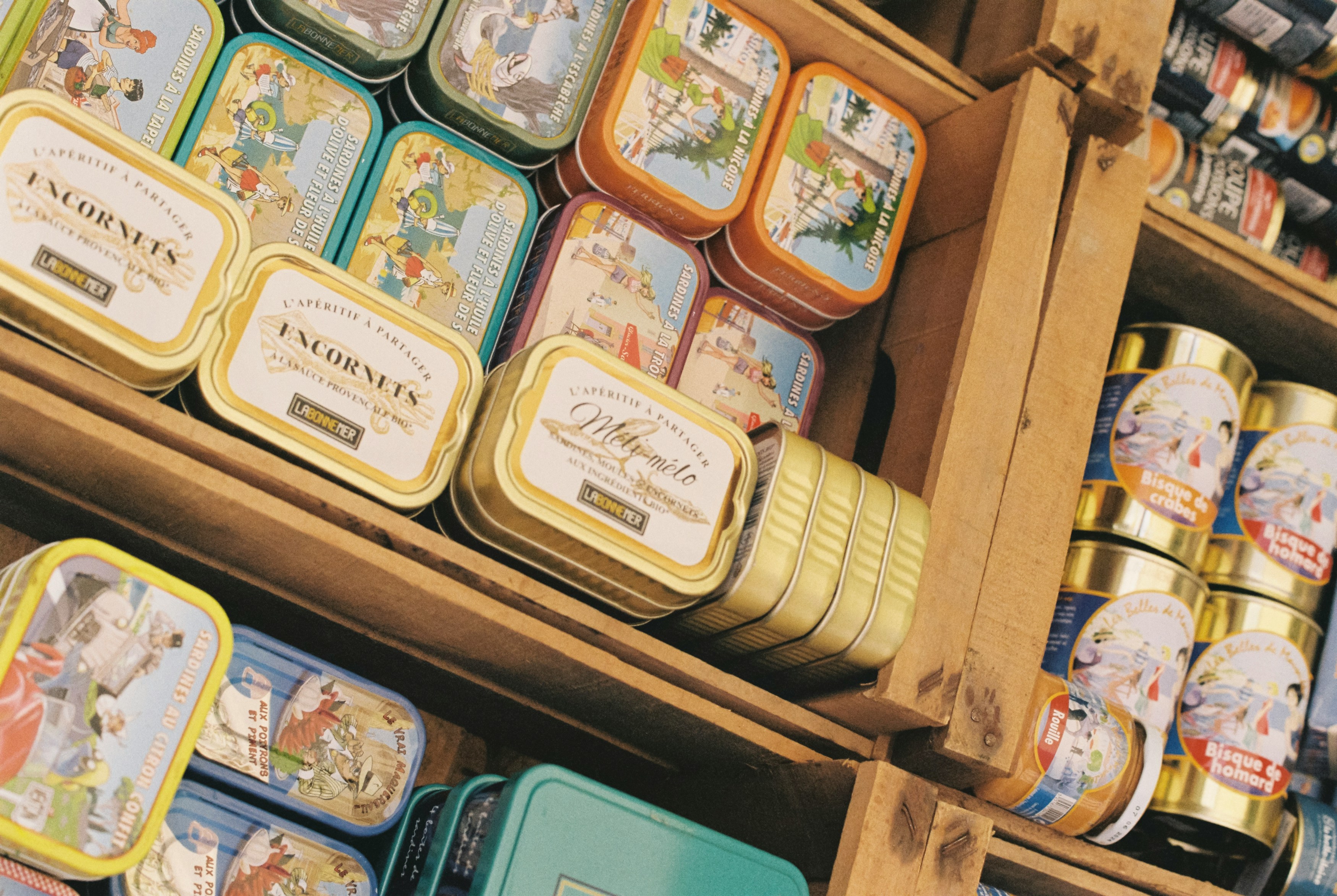
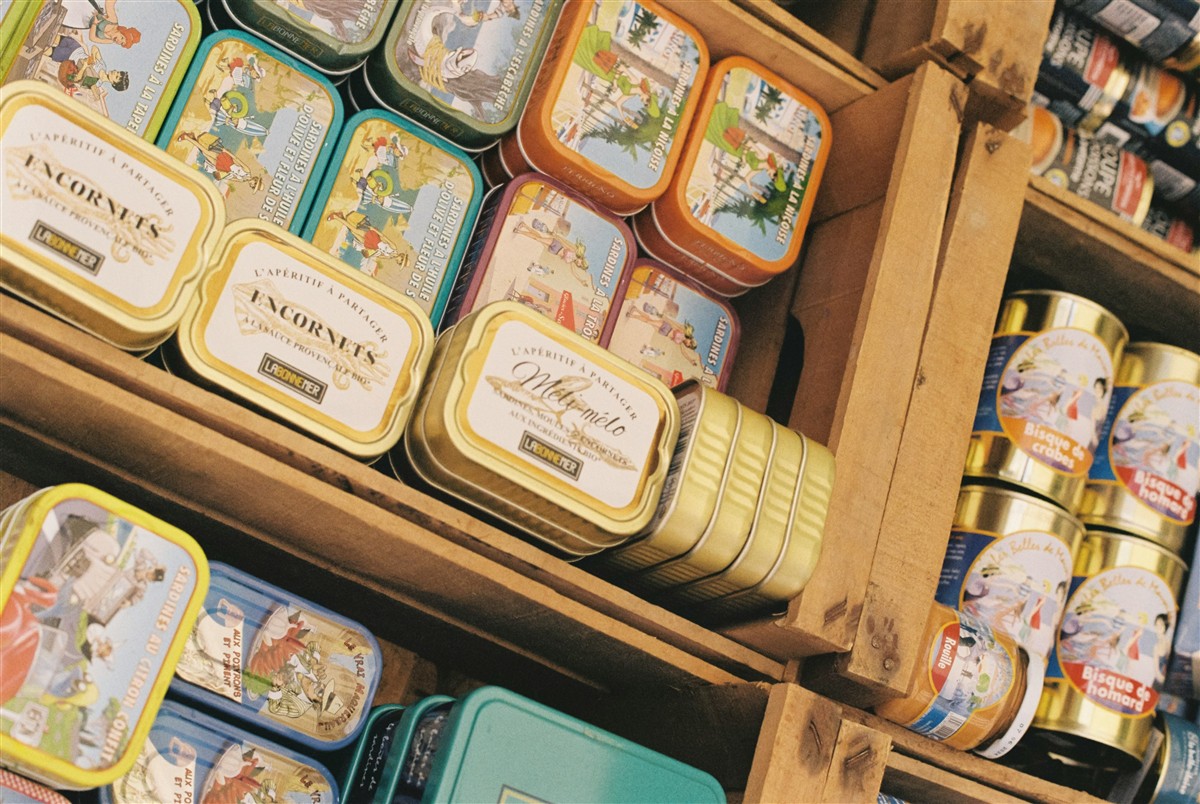
Custom tin packaging in a range of shapes and sizes for retail products

How to Choose the Right Tin Shape and Size for Your Product

by
Tinpac
Reading time:
6
min

Choosing a tin is not simply a matter of selecting a shape that looks good. The right format must suit the product, protect it through packing and transport, work in the intended retail environment and be practical to manufacture at the required volume.

For brand, NPD and procurement teams, the most useful starting point is a clear product brief. Once the essentials are defined, the choice between a round, rectangular, square, oval or bespoke tin becomes much easier.

Start with the product, not the artwork

Before discussing decoration or finishes, define what the tin needs to hold. That includes the dimensions of the product, its weight, whether it needs an insert or tray, and how it will be packed.

For food, confectionery, tea and coffee, consider the product volume, any primary wrap and the headspace needed to avoid damage. For cosmetics, alcohol and promotional packs, include the dimensions of bottles, jars or accessories, as well as the protection needed around them.

A tin that is too tight can make filling difficult and increase the risk of product damage. A tin that is too large can feel underfilled, use more material than necessary and take up valuable shelf or transport space.

Match the shape to the product and the retail role

Shape affects more than appearance. It influences how a product is presented, stored, packed and remembered by the customer.

Tin format comparison

  • Round: Best for confectionery, balms, candles, tea and coffee. It is efficient for loose or circular products and familiar for repeat-use storage.
  • Rectangular: Well suited to biscuits, gift sets, bottles and promotional packs. It uses shelf and carton space effectively and provides a large area for branding.
  • Square: A strong option for gift boxes, personal care and premium food. It creates a substantial presentation while remaining easy to stack.
  • Oval or shaped: Useful for limited editions, promotional launches and collectible ranges. It provides stronger visual differentiation but may require bespoke tooling.

A standard shape and size can be a practical route where timing and budget are important. A bespoke construction may be worthwhile where the tin is central to the product story, gifting proposition or long-term brand recognition.

Consider filling, packing and transport early

Packaging decisions that look simple in a concept review can create avoidable difficulty on the packing line. The opening needs to suit the filling process. The lid needs to be easy for the end customer to use while remaining secure in transit. Inserts, trays, sleeves and seals should be considered as part of the complete pack, not added at the end.

It is also important to consider outer cartons, pallet configuration and the route to market. A format that stacks efficiently can reduce handling complexity and help protect the product from factory to retail shelf.

Choose a lid and construction that supports the experience

The lid changes how the pack feels in the customer’s hands. A slip lid can work well for familiar confectionery and tea formats. A hinged lid suits premium gifting and repeat use. A lever lid can add a recognisable opening experience for tea, coffee or food products.

The right choice depends on the contents, required seal, opening frequency and intended price point. It should also be assessed alongside the decoration, as seams, rolled edges and lid placement all affect the available artwork area.

Plan for shelf presence and brand recognition

A tin has a physical advantage at retail. It can use colour, metallic finishes, embossing, debossing and distinctive shapes to create a stronger first impression. However, decoration should support the format rather than compete with it.

Think about the angles customers will see first: the front face, lid, side panels and any area visible when tins are stacked. A design that looks effective in a flat artwork file may need refining once the construction and retail display are understood.

Give your supplier the information needed to advise well

A good project brief helps move quickly from idea to suitable format. At an early stage, provide the product dimensions and weight, filling method, expected order quantity, target launch date, retail channel and any product-protection requirements.

It is also useful to explain whether the tin is intended as primary packaging, secondary packaging, a gift pack or a promotional item. This gives the design and manufacturing team the context needed to recommend a standard format, a modified stock size or a fully bespoke solution.

A practical selection checklist

  • What are the product dimensions, weight and fill volume?
  • Does the product require an insert, tray, sleeve or seal?
  • How will it be filled, packed and transported?
  • Where will it be sold and how will it be displayed?
  • Is a stock format suitable, or does the project require bespoke tooling?
  • What order volume, lead time and launch date need to be met?

Choose a format that works beyond launch

The best tin format supports the full product journey. It protects the contents, communicates the brand clearly, works at retail and gives customers a reason to keep it after purchase.

Tinpac can help assess the available shapes, sizes, constructions and decoration routes, then recommend a solution that fits the product and the commercial brief.

Photo: Markus Spiske / Unsplash

‍

#TinPackaging
#PackagingSolutions
#RetailPackaging
Last Updated:
October 22, 2026
CLOSE X
General Enquiries
Please complete the form below or email us directly at contact@tinpac.com

Or email us directly at contact@tinpac.com

Find more news
Read More

How to Choose the Right Tin Shape and Size for Your Product

October 22, 2026

A practical guide for brand, NPD and procurement teams choosing a tin format that protects the product, works at retail and can be supplied reliably.

Published:
Read More

Custom Tin Packaging for Retail-Ready Product Ranges

September 22, 2026

A B2B guide to specifying custom tin packaging for retail-ready ranges, balancing design, tooling, volumes and reliable supply.
Published:
Read More

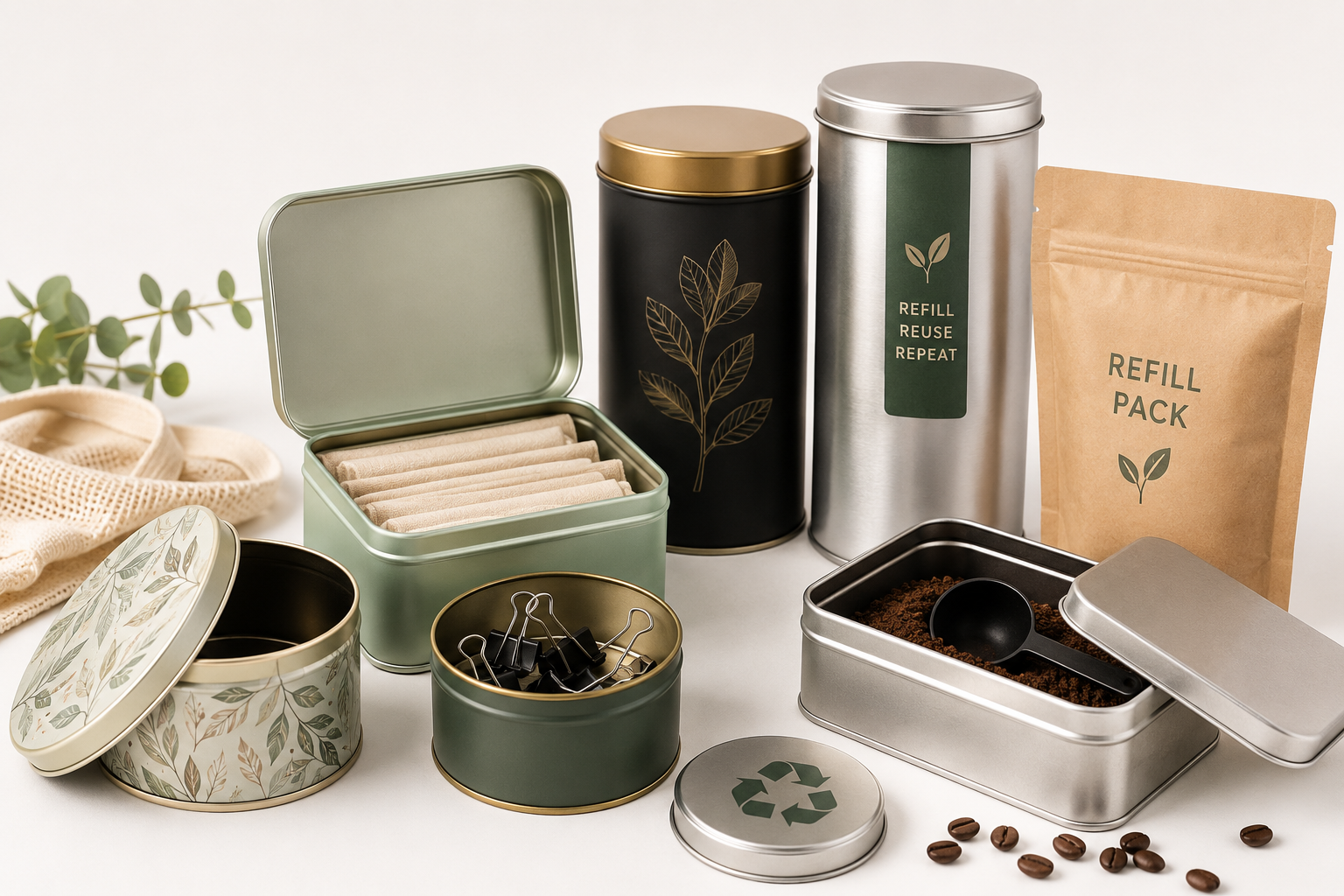
Tins in the Circular Economy

May 27, 2026

Tin packaging lasts longer than a single use. From kitchen storage to refill systems and recycling, tins support a more practical and sustainable approach to packaging.

Published:
Read More

Why Collectible Tins Increase Retail Sales

February 27, 2026

Collectible tins do more than look premium, they increase shelf engagement, drive repeat purchases, and strengthen brand retention. Here’s how tin packaging influences retail sales performance.

Published:
Read More

How Branded Tins Strengthen Subscription Models and Reduce Packaging Waste

October 15, 2025

Refill-based subscription models are on the rise, and tin packaging offers a sustainable way to make them last. A branded tin for the first order and sachet refills thereafter reduce waste, strengthen customer loyalty, and keep your brand visible long after unboxing.

Published:
Read More

Tin Packaging: A Proven Sustainable Choice

October 1, 2025

Sustainability is no longer a nice-to-have. It’s a priority for consumers, retailers, and regulators worldwide. With growing restrictions on single-use plastics in the UK, EU and Australia, brands are under pressure to find packaging solutions that protect products, reduce waste, and still look premium. Tin packaging offers a proven answer.

Published:
Read More

Extend Shelf Life for Food and Confectionery Products

September 9, 2025

When it comes to packaging food and confectionery, freshness is non-negotiable. Customers want products that taste as good on the shelf as they did on the production line.

Published:
Read More

Packaging Trends for 2025: Innovations in Metal and Tin Packaging

January 8, 2025

Explore the latest trends in metal and tin packaging for 2025, from sustainability to smart technology integration. Learn how these innovations can elevate your brand and meet consumer expectations.

Published:
Read More

Bulk Tin Packaging in a Global Market: Real-World Insights

December 18, 2024

In an age where shoppers can order everything from gourmet chocolates to artisanal pet treats with a single click, making your brand stand out has never been more important. The right packaging can do more than just hold your product, it can speak to who you are, capture attention, and travel the world without losing its appeal.

Published:
Read More

Tin: The Timeless Packaging Solution

December 12, 2024

Tin packaging has been captivating consumers for centuries. Its unique blend of durability, versatility, and aesthetic appeal continues to make it a popular choice for brands across various industries.

Published:
Read More

Shipping Delays in Europe: What You Should Know

November 21, 2024

While global shipping has faced hurdles, there are promising signs for businesses. Ports across Europe are working to clear backlogs, and innovations in freight management are improving efficiency across the supply chain. TinPac remains committed to leveraging these developments to provide our clients with seamless service.

Published:
Read More

How US East Coast Port Strikes May Impact Your TinPac Shipments

November 14, 2024

Learn how recent US East Coast port strikes are affecting international shipments, including TinPac orders, and what you can expect regarding potential delays.

Published:

What Our Brands Say.

From Brand Owners to Global Brand Giants... We drive complete supply chain value.